Products
Product Lineup
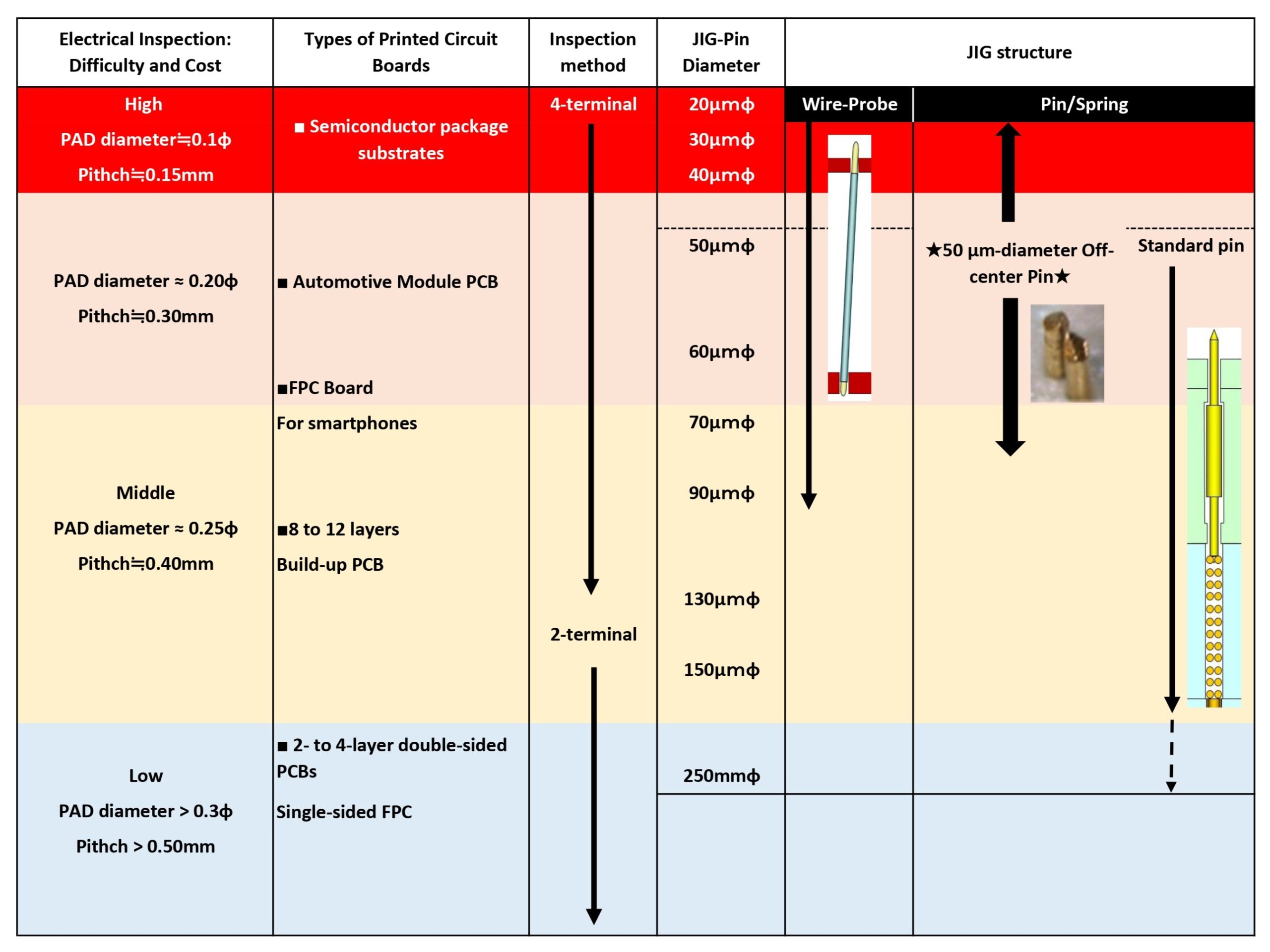
We offer two types of jigs: “pin-spring jigs” and “wire probe jigs.”
Custom pin tip shapes (such as round, flat, 120°, etc.) are available.
Pin-spring jig
-
Compared to wire-pin fixtures, the initial cost is generally lower.
-
Maintenance frequency is lower than that of wire-pin fixtures; consequently, the cost of maintenance parts required for continued use is lower.
-
Modifying the fixture to accommodate changes in PCB specifications is possible and cost-effective.
-
It offers superior cost-effectiveness regarding recycling compared to wire-pin fixtures (pins and springs are recyclable).
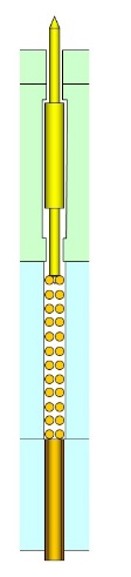
Pin
Spring
Wiring Electrode
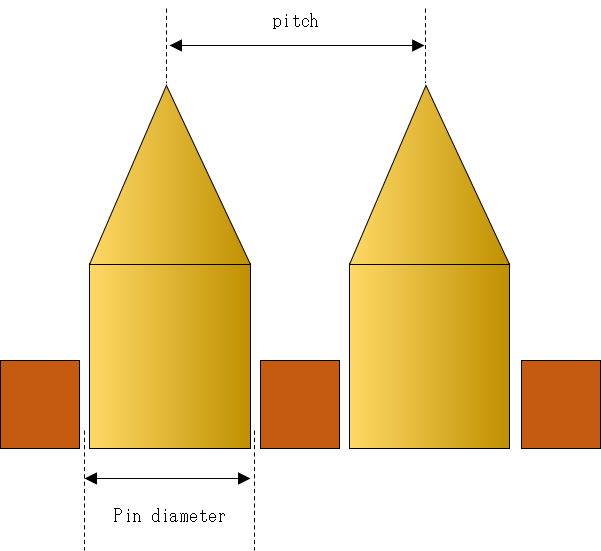
Taper pin
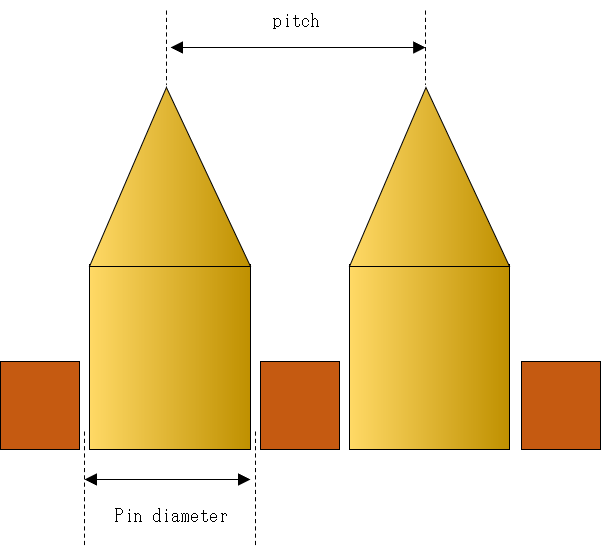
|
Pin diameter
|
Pitch
|
|---|---|
|
0.05φ
|
0.090mm
|
|
0.065φ
|
0.115mm
|
|
0.09φ
|
0.135mm
|
|
0.13φ
|
0.185mm
|
|
0.15φ
|
0.400mm
|
Eccentric pin
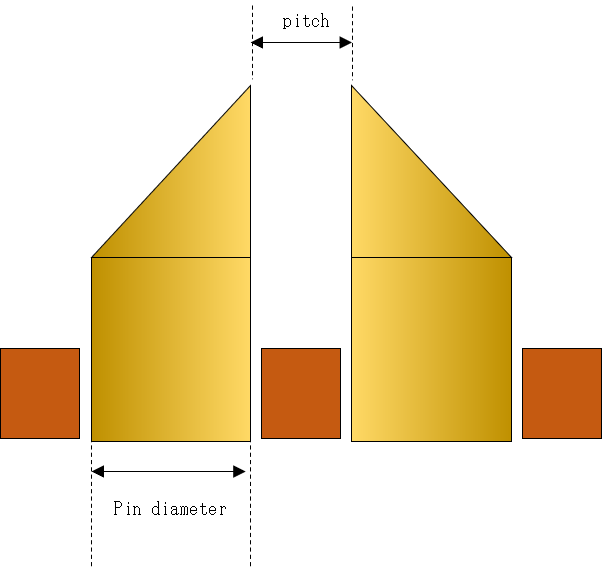
|
Pin diameter
|
Pitch
|
|---|---|
|
0.05φ*1
|
0.020-0.025mm
|
|
0.07φ
|
0.06±0.01mm
|
|
0.10φ
|
0.06±0.02mm
|
The pin diameter is determined based on a combination of PCB specifications, such as pad layout, pad pitch, and pad diameter.
*1) Scheduled for release in 2027 (under development)
Wire probe fixture
-
This fixture specification is the most widely adopted in the market.
-
Compared to spring-pin fixtures, it offers lower internal resistance (during 2-terminal testing).
(Example: Capable of detecting open circuits at a resistance of 25 Ω or less.)
-
Compared to spring-pin fixtures, this specification supports the use of smaller-diameter pins (0.02 mm to 0.04 mm).
-
Compatible with heated fixtures.

Wire probe
Wiring electrode
|
Pin diameter
|
Pitch (Standard)
|
Pitch (Minimum)
|
|---|---|---|
|
0.05φ
|
0.09mm
|
0.08mm
|
|
0.06φ
|
0.10mm
|
0.09mm
|
|
0.07φ
|
0.11mm
|
0.10mm
|
|
0.09φ
|
0.14mm
|
0.13mm
|
* In the case of the minimum pitch, the wear durability of the protective plate may be reduced, potentially necessitating the use of high-cost plate materials (such as ceramic plates).
*) Scheduled for release in 2027 (under development)